


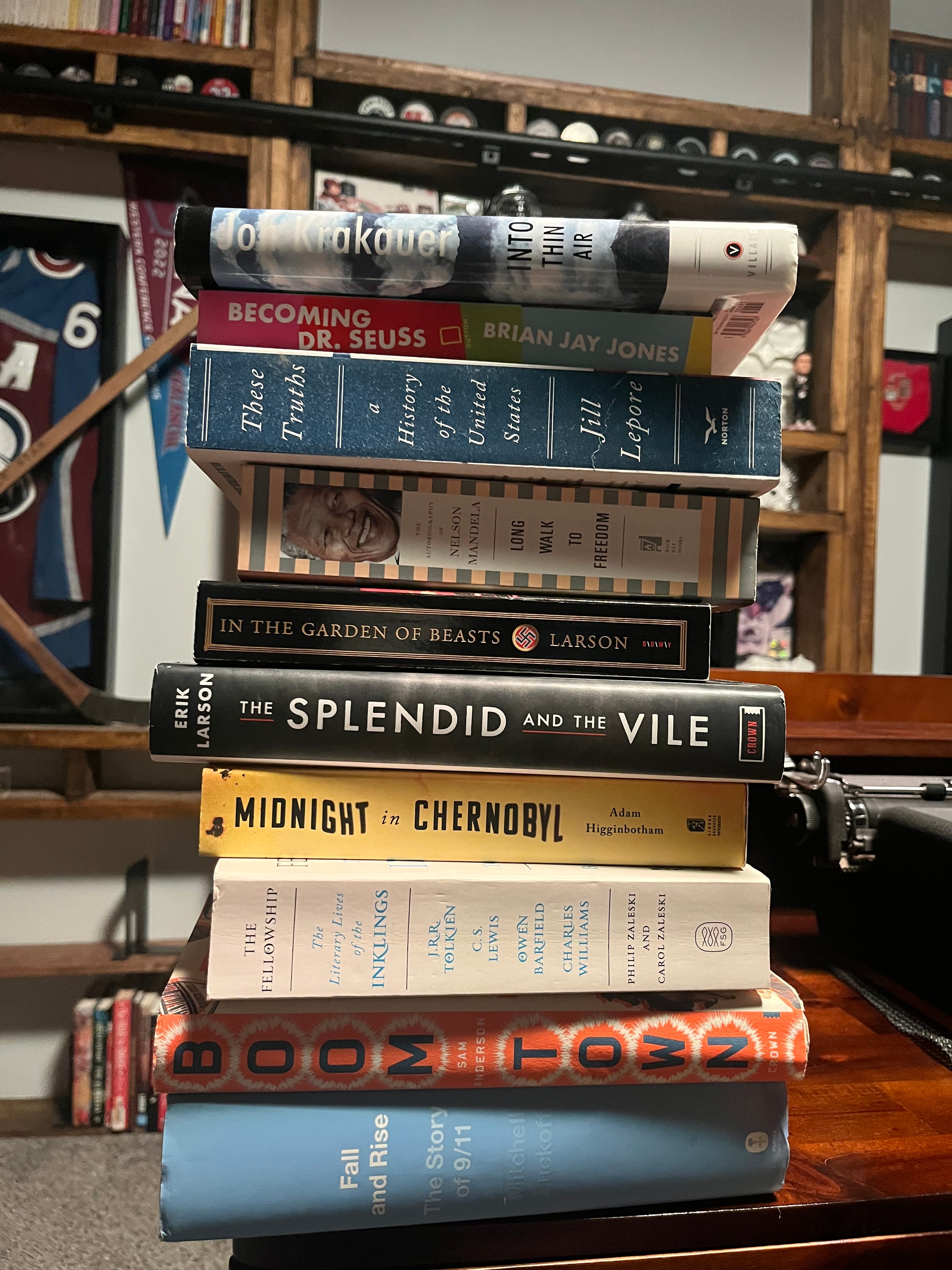
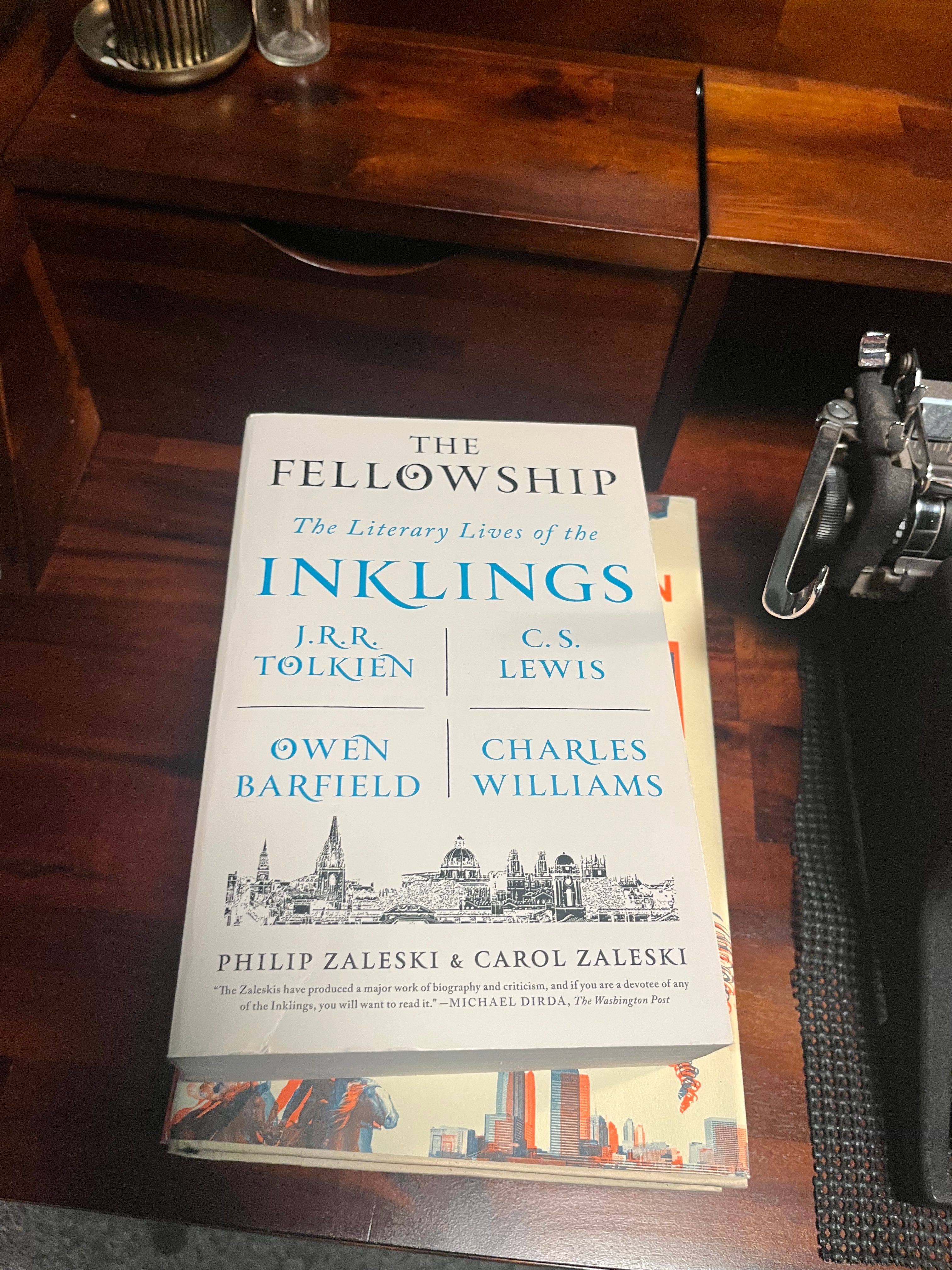
1. The Fellowship: The Literary Lives of the Inklings by Philip and Carol Zaleski
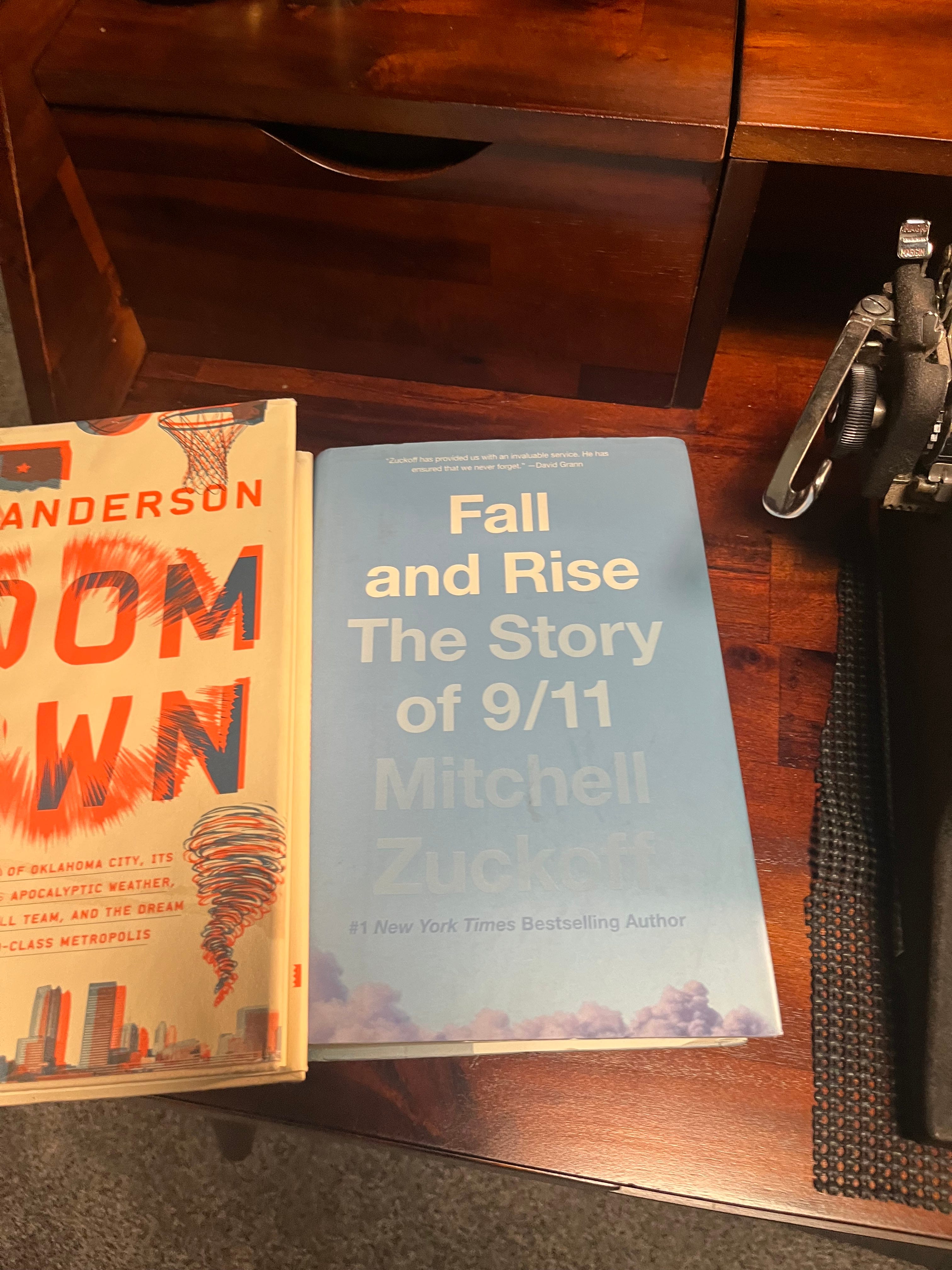
2. Fall and Rise: The Story of 9/11 by Mitchell Zuckoff
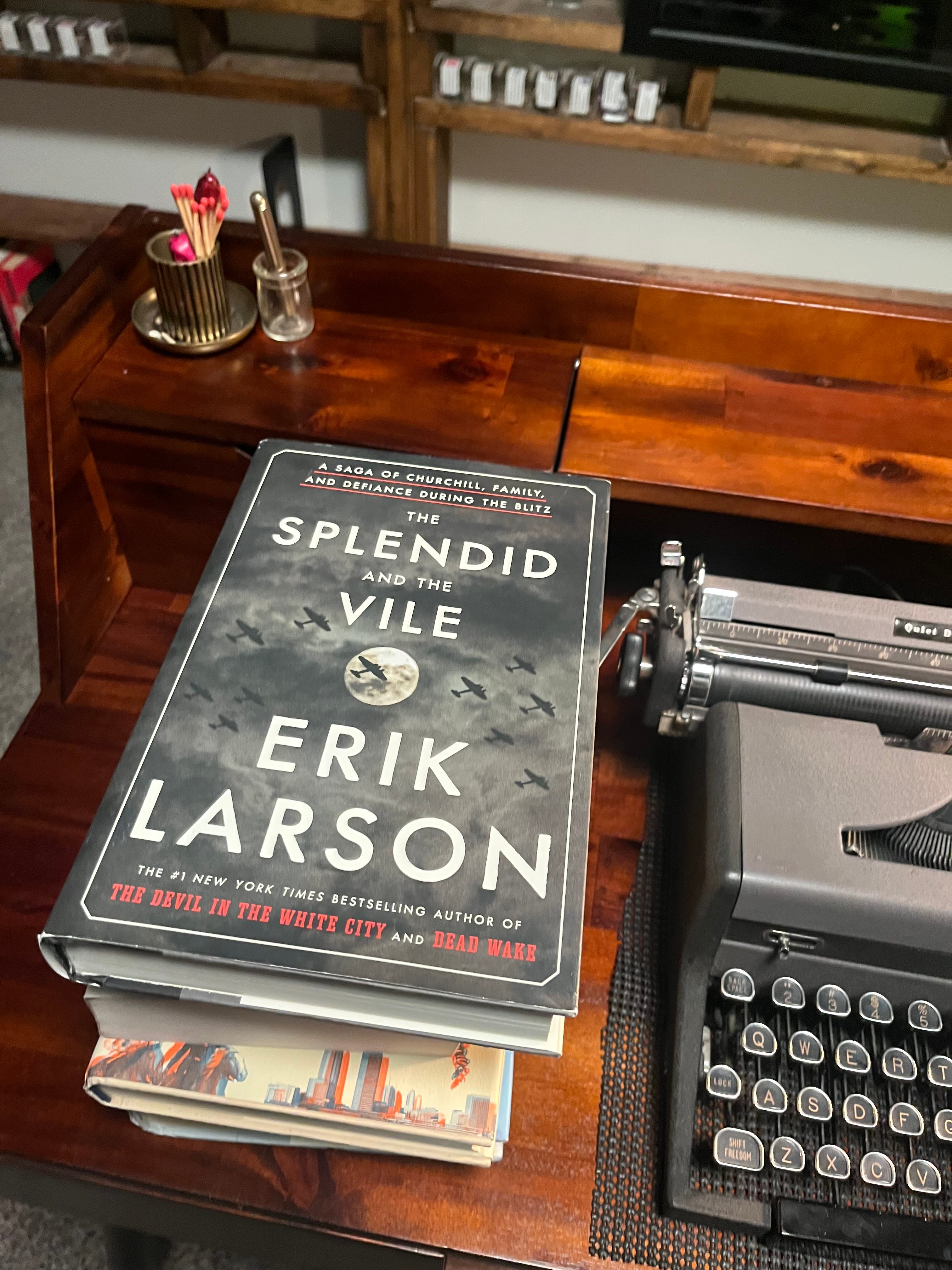
3. The Splendid and the Vile by Erik Larson
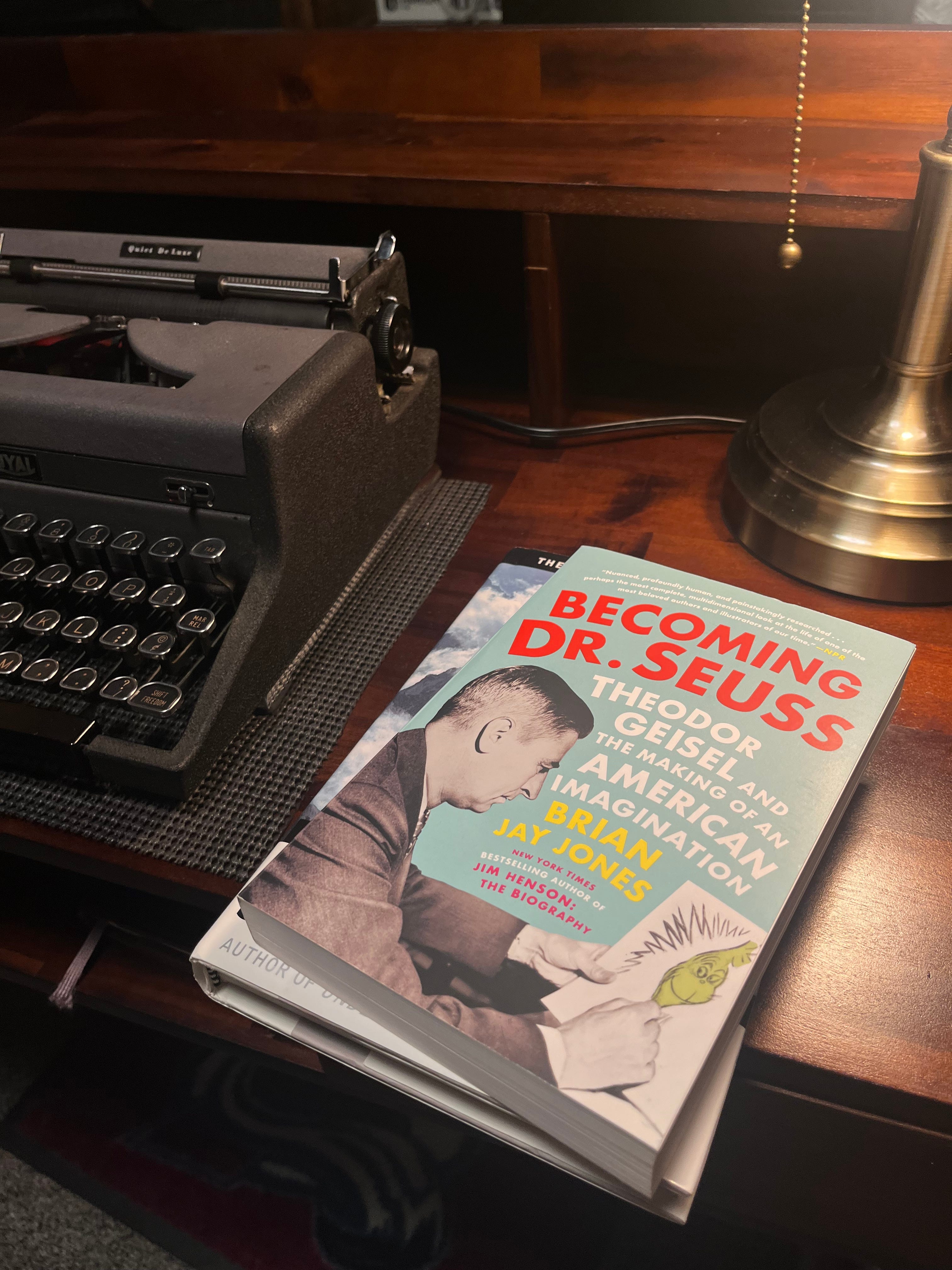
4. Becoming Dr. Seuss by Brian Jay Jones
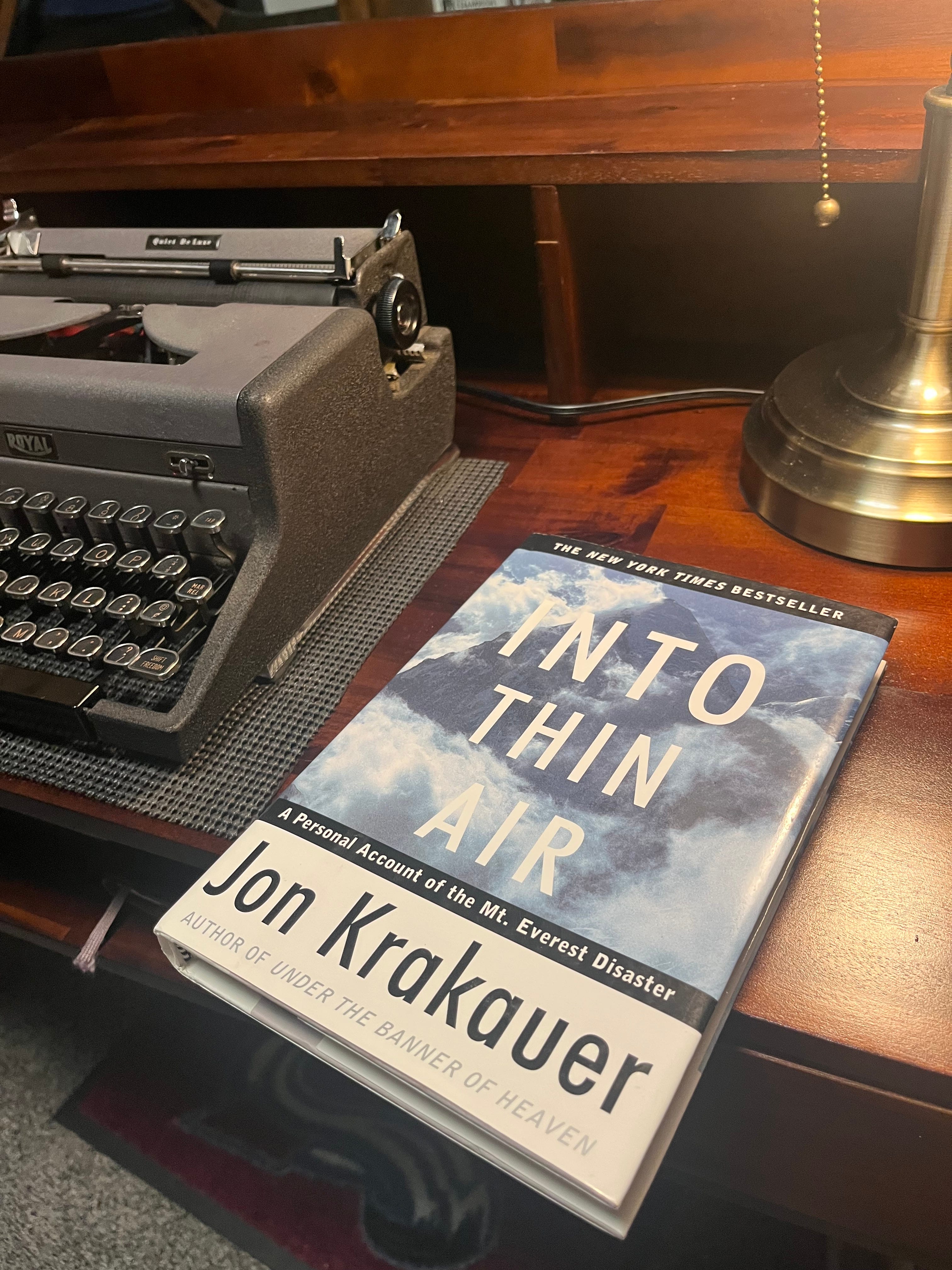
5. Into Thin Air by Jon Krakauer
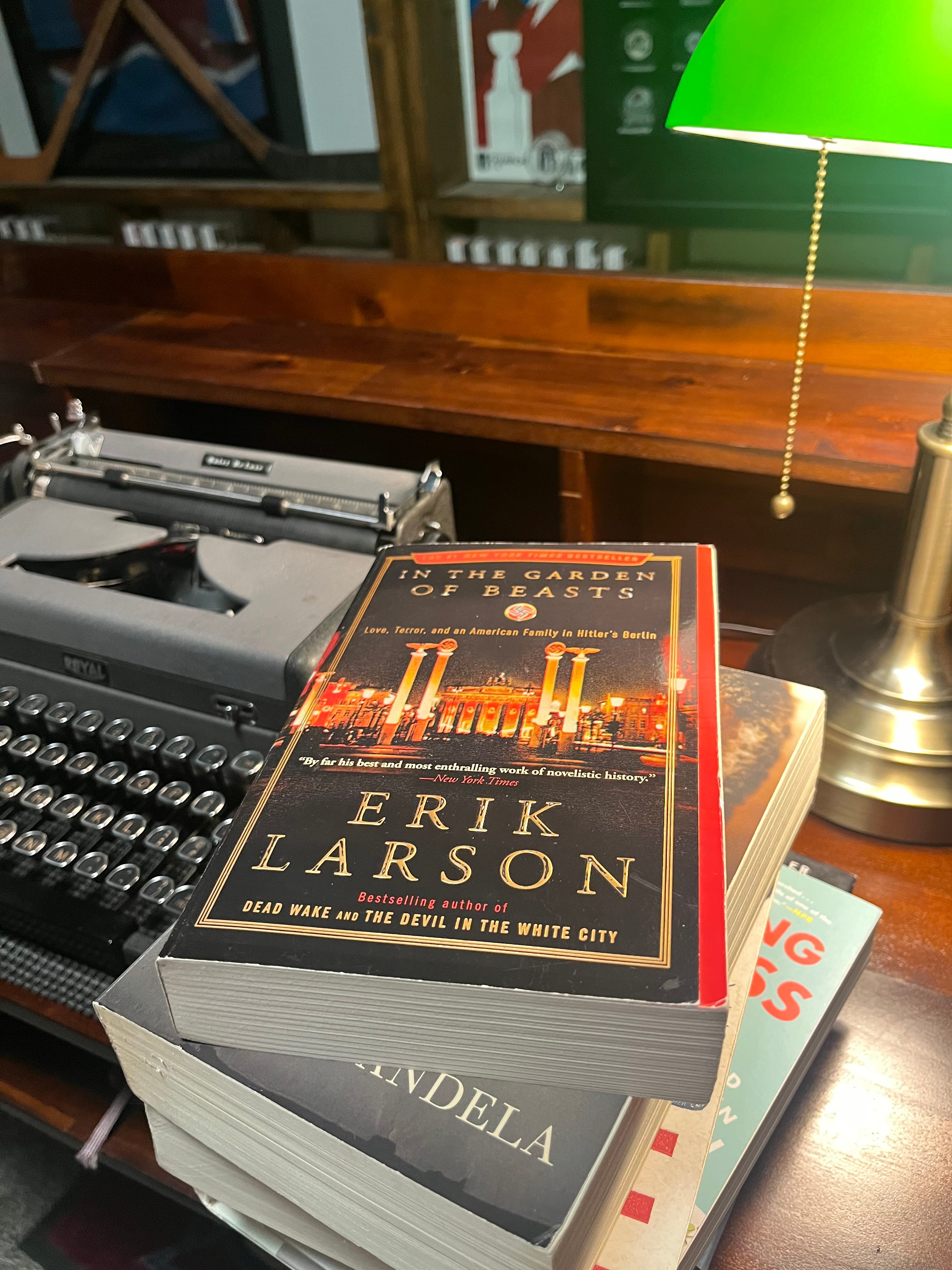
6. In the Garden of Beasts by Erik Larson
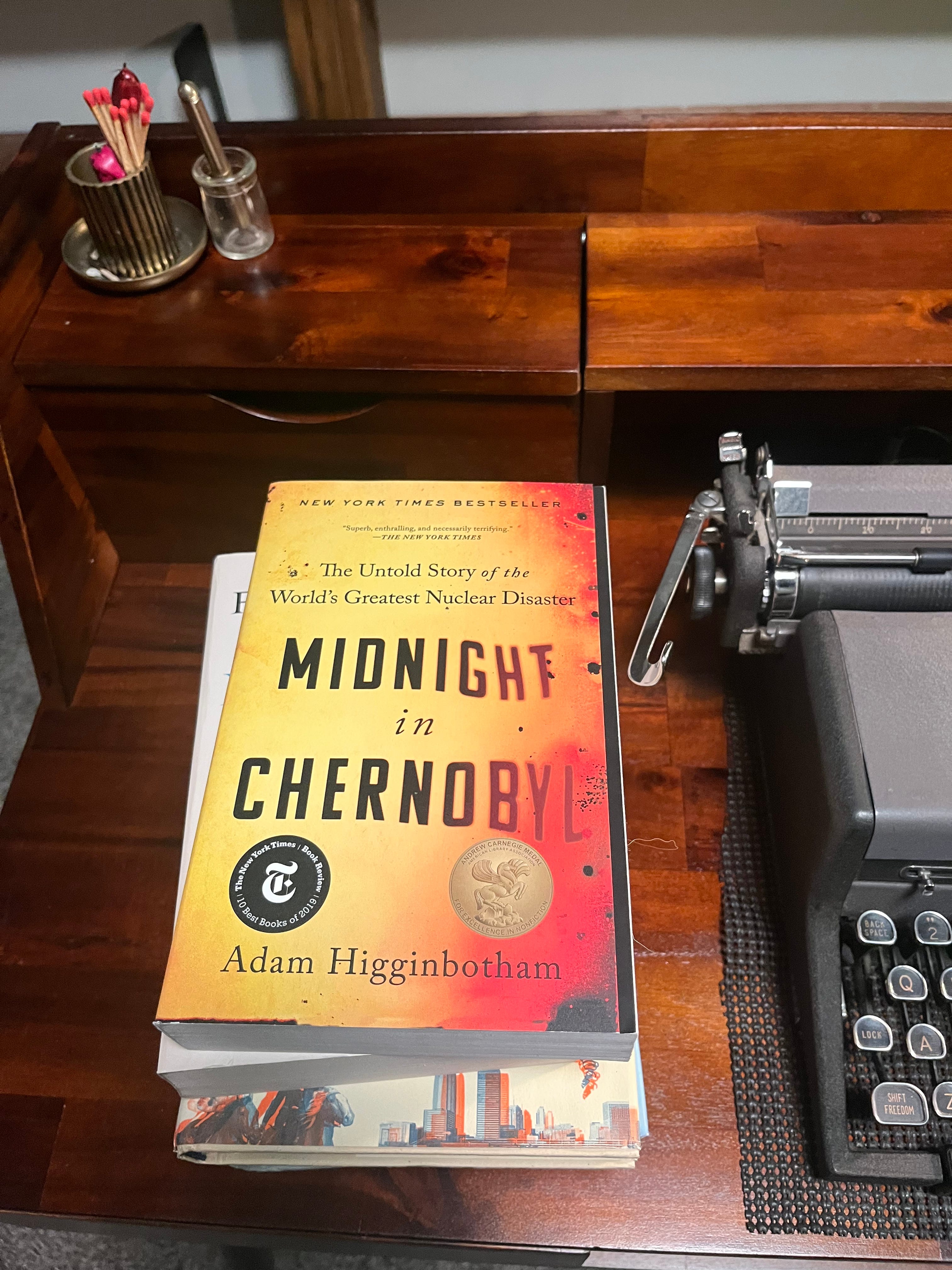
7. Midnight in Chernobyl by Adam Higginbotham
8. These Truths: A History of the United States by Jill Lepore
9. Boomtown by Sam Anderson
10. Long Walk to Freedom by Nelson Mandela
While my wife was recovering from invasive receding gum surgery—where they sliced a strip of flesh from the roof of her mouth and stitched it onto her lower jaw—she read a couple of Holocaust books. Her rationale was that it would be harder for her to feel sorry for herself while reading a memoir about surviving a Nazi concentration camp. I think it worked, though her mouth still looked like it really fucking hurt.
It wasn’t my plan, but perhaps there’s a reason why I read so many books about terrible things while “sheltering in place” and “social distancing” during my first-ever global pandemic. There was something about reading these firsthand accounts of awful events that made me feel less angry about the state of the world. I guess eating take-out ramen and watching Tiger King isn’t as bad as: 9/11, the London bombing, dying on Mount Everest, the rise of Hitler, the Chernobyl nuclear disaster, the impact of institutional racism, being held as a political prisoner during apartheid, and living in Oklahoma to cover Russell Westbrook.
I also started journaling way more. It’s not like I had met much else to do, but I was acutely aware of just how weird this moment in history was. I thought I should keep a record of it. The University of Nebraska-Omaha library even encouraged the practice, and made an open invitation for journals during COVID to be donated to their collection to go alongside their diaries from the Spanish influenza outbreak. So I ramped up the practice to a new level of discipline and spent every morning of 2020 recounting the previous day’s events alongside the reported cases of COVID and COVID related deaths in whatever city I was in at the time. Once the shutdowns began, I did not miss a day.
But here’s the thing about writing during a pandemic. It’s pretty boring. So your journals are also pretty boring. Nothing was really happening, but also with where I was in life, I was waiting for things to happen. Kids. Work. Church. Life’s purpose. I felt myself inching toward resolution in each of these areas until someone in China ate a bat on a stick and the world told me, “NOPE. YOU’RE NOT DOING SHIT.”
And yet, at the end of the year, much of my life was indistinguishable from the 2019 version of myself. It was an inflection point. And inflection points don’t look any different from what immediately preceded it, until suddenly everything goes a different direction.
•••
1. The Fellowship: The Literary Lives of the Inklings by Philip and Carol Zaleski
First off, let me say I have no idea how anyone could write a book with their spouse. I guess it helps if you’re both authors and religion professors. Maybe that spousal dynamic helped with the book. People get sick of one another. The Inklings have this reverence as “the greatest friend group ever,” but the two key figures, Lewis and Tolkien, weren’t even on speaking terms at the end of their lives. There’s no doubt that those meetings at The Eagle and Child were pure magic. But magic isn’t real. It wears off when somebody figures out what the gag was. And then people get mad when you make Santa Claus a character in your young adult novel and they stop being your friend.
And yet each year I read a biography of C.S. Lewis because I am still enchanted by his life. I long for the camaraderie and joy that he describes. Even though when he describes it, it feels like he’s longing for something other than what he has at the time of his writing.
Before I left a church, I was ushered into a waiting room before the important pastor was scheduled to see me. I was holding a copy of this book and this pastor—a friend, a person I loved—asked about it when he walked in and found me reading. I lit up while describing it. I was giddy, really. And then we did that awkward hard transition where the tone gets real serious, someone says “well..”, there are a few deep breaths, and then we talk about the thing that we knew we came to talk about. I told him I hated his church. I hated the way the church treated me. I hated the way the church treated my wife. I hated the way that he himself had never stuck up for me when things got hard. I told him I was never coming back. And I told him that I hoped he took what I said to heart so others may not feel this same hate that I still do.
We left on O.K. terms. He even read this book after I enthusiastically described it to him.
He told me later he couldn’t get into it.
•••
2. Fall and Rise: The Story of 9/11 by Mitchell Zuckoff
I read this book in a sweaty tent that was filled with fireworks. The immediate aftermath of 9/11 was the most patriotic moment of my life, and it felt fitting (in a weird way) to read a book about the people who experienced these attacks while selling explosives for the 4th of July. There was this moment of unity back then. Of single mindedness and shared purpose coming out of those attacks. Kind of like the early months of COVID when we all felt like we were in this thing together.
And then post-9/11, like post-COVID, people decided we weren’t in it together after all. We became defined by divisions and bickering as sides were drawn about the proper responses for this and for that. We politicized the events. We lost friends over things we saw differently. Things became stupid. Then people became stupid. People thought we were stupid. We thought they were stupid.
A lot of them were stupid.
But it’s helpful to go back. To remember what we saw and agreed about. To be reminded of shared tragedy. To try to get along.
Because every once in a while, something completely unexpected happens and we wonder why we were so preoccupied with petty fights and finger-pointing when there are things in life that really matter.
•••
3. The Splendid and the Vile: A Saga of Churchill, Family, and Defiance During the Blitz by Erik Larson
“It was only when I moved to Manhattan a few years ago that I came to understand, with sudden clarity, how different the experience of September 11th, 2001, had been for New Yorkers than for those of us who watched the nightmare unfold at a distance. This was their home city under attack. Almost immediately I started thinking about London and the German aerial assault of 1940-1941, and wondered how on earth anyone could have endured it: fifty-seven consecutive nights of bombing followed by an intensifying series of night time raids over the next six months.” 1
This is how Larson opened his narrative history of Winston Churchill and London during World War II. In his Kansas City book talk I attended on March 10th, 2020—the last formal gathering I went to before COVID restrictions ended gathering of any kind—Larson described the bombing of London as “essentially fifty-seven straight 9/11’s. On any given night you knew hundreds would die.” The response of the English during this time was noble, their resolve only eclipsed by the reality that so many had it even worse during this bleak period of our history. Just as how Spanish influenza was forgotten in favor of World War I, the Blitz became a footnote because of the horrors of everything else those dickhead Nazis were up to. Maybe that’s their most remarkable feat, that they managed to relegate fifty-seven straight nights of bombing one of the world’s greatest cities to a secondary atrocity.
Larson tells gripping stories of how the Brits coped, one of these practices became the basis of his book research. The English encouraged people to keep a journal.
•••
4. Becoming Dr. Seuss: Theodor Geisel and the Making of an American Imagination by Brian Jay Jones
Meanwhile, back in the United States, Theodor Geisel enlisted in the U.S. Army Signal Corps to create propaganda and cartoons that “instructed U.S. soldiers on military practices and procedures, usually by showing the comedic and sometimes horrifying consequences of not following protocol or instructions.”2 The main character was named Private Snafu.
This guy also wrote about some cat and a green guy.
•••
5. Into Thin Air: A Personal Account of the Mt. Everest Disaster by Jon Krakauer
Dude this book is insane. Krakauer climbs to the top of Mount Everest, a bunch of people die, then everybody is like, “well fuck. I guess that’s what happens on Everest. Let’s keep going.”
I’ve read all Krakauer’s books, but this one I saved for last. I’m glad I did. It’s easily my favorite.
•••
6. In the Garden of Beasts: Love, Terror, and an American Family in Hitler’s Berlin by Erik Larson
I generally try not to include multiple books by the same author on these lists, but this one was just too good to leave off. It’s kind of like the prequel to The Splendid and the Vile. Sort of. It follows the account of the United States Ambassador to Germany during the rise of the Nazi party. You can imagine he was pretty busy during that time.
Larson and Krakauer both went on my all-time favorite author list after 2020. It was a beautiful year for discovering authors, even if it wasn’t beautiful in many other ways.
•••
7. Midnight in Chernobyl: The Untold Story of the World’s Greatest Nuclear Disaster by Adam Higginbotham
These book descriptions are feeling a little repetitive at this point.
This book was also the shit.
And the Soviets were also terrible.
And bad at building nuclear power plants.
And if you want to know what nuclear radiation actually is other than something that’s “bad,” Higginbotham’s description in Chapter 2: Alpha, Beta, Gamma is the best explanation of a scientific topic I have ever read in my life. And that’s coming from the guy who wrote the 2013 Architectural Engineering graduate project with the gripping title of: “The Effect of Sample Dimensions on the Corresponding Compressive Strength Between Concrete Cores and Standard-cured Molded Cylinders.”
•••
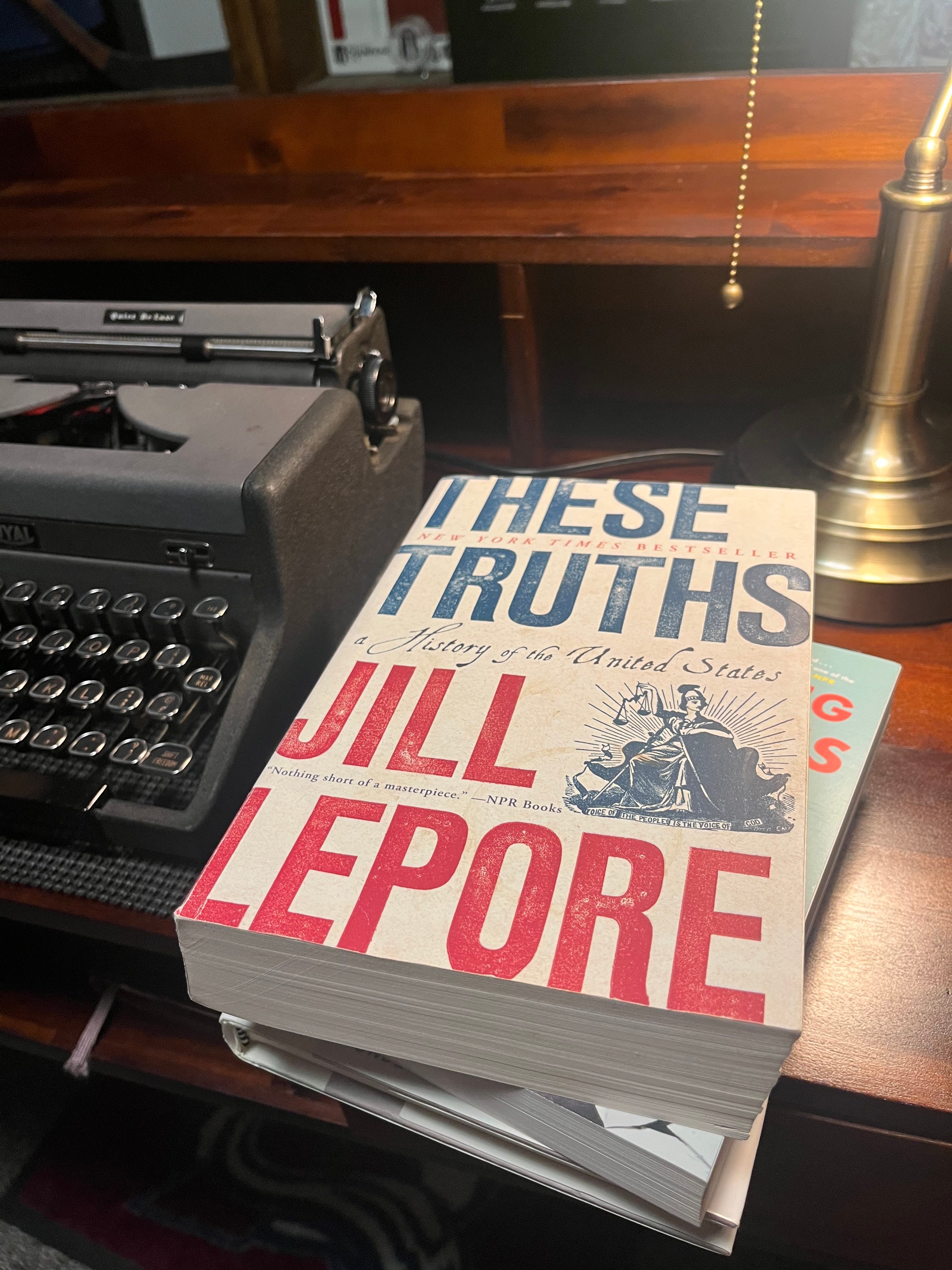
8. These Truths: A History of the United States by Jill Lepore
Instead of just picking one period of American history, Jill Lepore decided to write a book about THE WHOLE THING.
It’s stunningly ambitious, thorough, and readable.
Spoiler alert: there are a bunch of racists.
•••
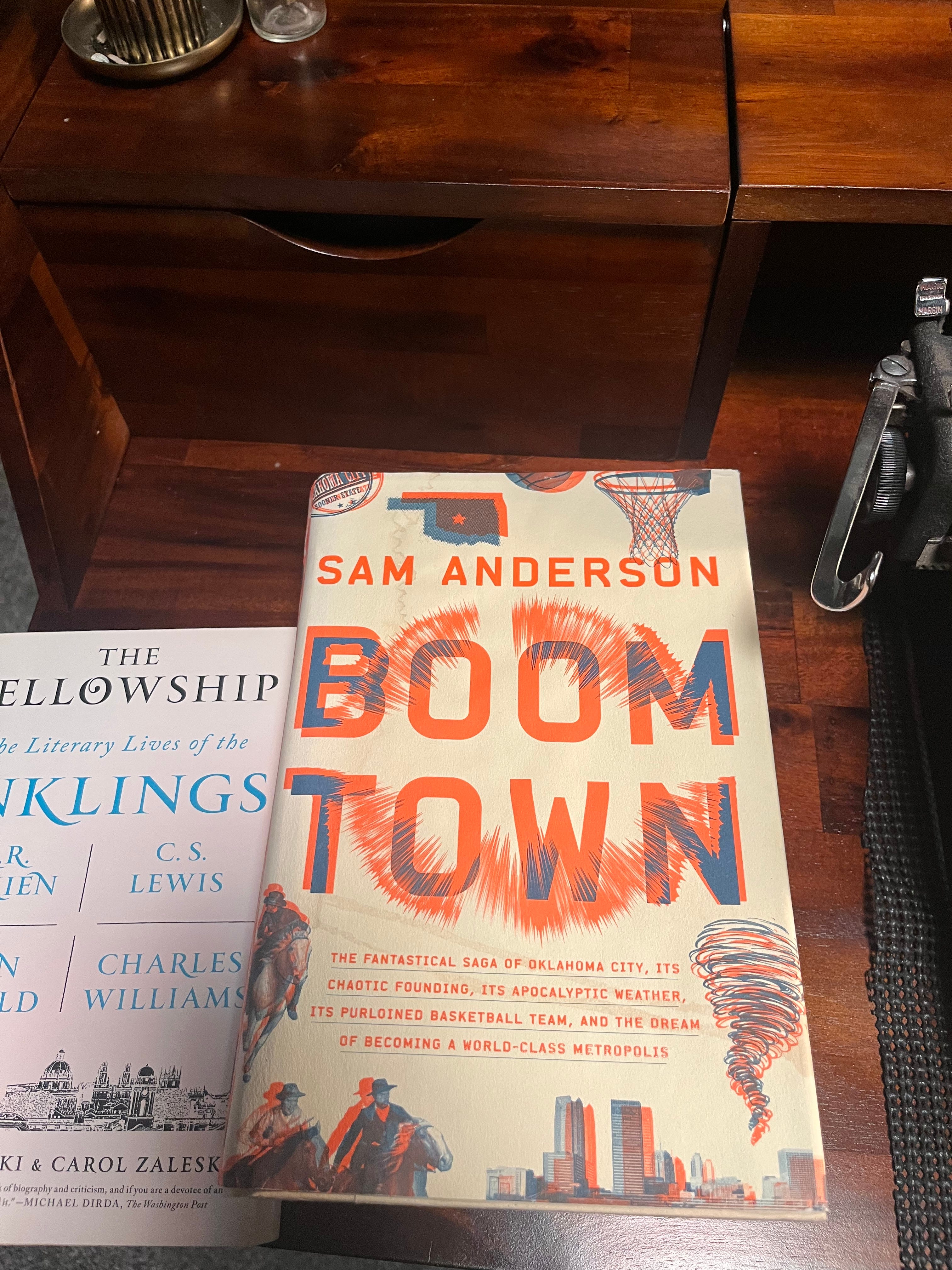
9. Boomtown: The Fantastical Saga of Oklahoma City, It’s Chaotic Foundation, It’s Apocalyptic Weather, It’s Purloined Basketball Team, and the Dream of Becoming A World-Class Metropolis by Sam Anderson
I guess Jill Lepore’s book was a little light on all the parts about Oklahoma City. Good thing we have Sam Anderson to fill the gaps.
I heard about this book from a delightful podcast episode titled “The Worst Way to Start a City.”3 Oklahoma picked the worst way of doing a lot of things. And thanks to Sam Anderson, I now love them for it.
•••
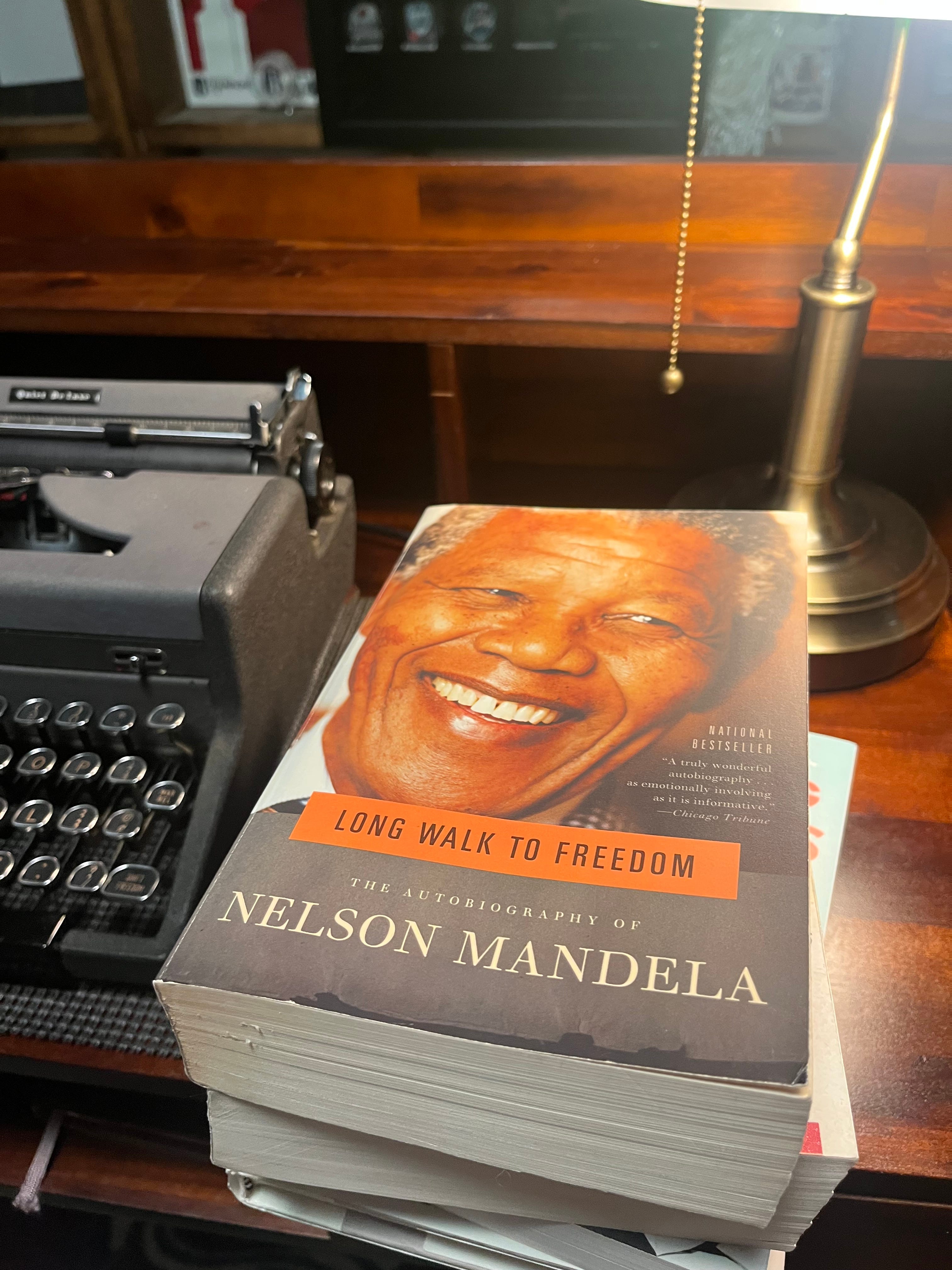
10. Long Walk to Freedom the autobiography of Nelson Mandela
Oh yeah. Apartheid was also fucking terrible.
•••


The Splendid and the Vile, pg. XI
Becoming Dr. Seuss, pg. 246
https://99percentinvisible.org/episode/the-worst-way-to-start-a-city/